
Spanish food is a treasure trove of flavours and traditions that will delight your taste buds. From the sunny coasts to the mountainous inland regions, Spain offers a rich variety of dishes that reflect its diverse culture and history. Spanish cuisine uses simple cooking methods, and the bold flavours of fresh ingredients.
When you visit Spain, you’ll find that each region has its own specialities. You might try paella in Valencia, where the dish originated, or sample some tasty pintxos (small snacks) in the Basque Country. Don’t miss out on classics like jamón ibérico, a cured ham that melts in your mouth, or the comforting tortilla española, a hearty potato omelette enjoyed across the country.
Spanish food isn’t just about the main dishes. You’ll also want to explore the world of tapas, small plates perfect for sharing with friends. And to round off your meal, treat yourself to some churros dipped in thick hot chocolate. With such a wide array of choices, Spanish cuisine offers something for every palate.

Historical Development of Spanish Cuisine
Spanish cuisine has evolved over thousands of years. You can trace its roots back to ancient times. The Iberian Peninsula’s unique geography and history have shaped its food culture.
Early inhabitants of Spain ate what they could hunt and gather. Cave paintings show animals like bison and deer were on the menu. As farming developed, people grew crops and raised livestock.
The Romans brought new foods and cooking methods when they conquered Spain. They introduced olive oil, wine, and wheat. These became staples of Spanish cooking.
Later, the Moors ruled much of Spain for centuries. They brought spices, rice, and fruit trees. The Moors also introduced new irrigation techniques. This allowed for more diverse crops.
After the Christian Reconquista, pork became popular. It was a way to prove you weren’t Muslim or Jewish. Spaniards used every part of the pig in their cooking.
The discovery of the Americas in 1492 changed Spanish food forever. New ingredients like tomatoes, potatoes, and peppers arrived. These quickly became essential in Spanish dishes.
Each region of Spain developed its own specialties:
- Catalonia: seafood and vegetable dishes
- Basque Country: hearty stews and grilled meats
- Galicia: seafood and potato dishes
- Andalucia: gazpacho and fried fish
- Extremadura: cured meats and cheeses
Today, Spanish cuisine continues to evolve. It blends traditional recipes with modern techniques.
Fundamental Ingredients in Spanish Cooking
Spanish cuisine relies on a core set of ingredients that bring bold flavours and textures to dishes. These key components form the foundation of many classic recipes and regional specialties.
Olive Oil and Garlic
The lifeblood of Spanish cooking is olive oil as it is used for frying, drizzling, and dressing. Extra virgin olive oil adds richness to salads and is perfect for finishing dishes. Garlic is another essential, adding a punchy flavour to many recipes.
Spanish cooks use olive oil generously. You’ll find it in everything from simple tapas to complex main courses. It’s common to see olive oil bottles on restaurant tables for diners to add as they please.
Garlic features in countless Spanish dishes. It’s often sautéed in olive oil as a base for sauces or used raw in dishes like alioli, a garlicky mayonnaise.

Tomatoes and Peppers
Tomatoes and peppers are staples in Spanish kitchens. Salads and sauces tend to use fresh tomatoes, while tinned tomatoes form the base of many stews.
Peppers come in various forms. Fresh bell peppers add sweetness and crunch to dishes. Dried and smoked paprika, known as pimentón, is a key spice in Spanish cooking. It comes in sweet, bittersweet, and spicy varieties.
You’ll find tomatoes in gazpacho, a cold soup, and sofrito, a sauce base. Peppers feature in dishes like pimientos de padrón, small green peppers fried and salted.

Rice and Almonds
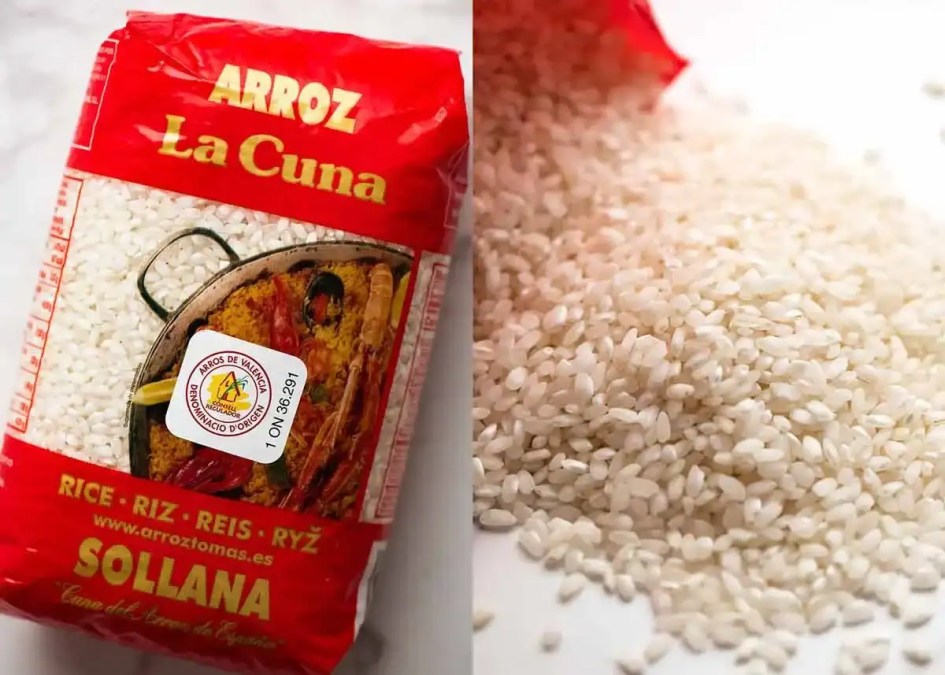
Rice is crucial in Spanish cuisine, especially in dishes like paella. Short-grain rice is the preferred option as it stays firm and absorbs flavours well.
Almonds, are used in a multitude of Spanish dishes, both sweet and savoury. They’re ground into sauces, used as a coating for fried foods, and feature in many desserts.
Paella, Spain’s most famous rice dish, originated in Valencia, combines short-grain rice, saffron, and various meats or seafood.
Almonds are key in dishes like ajo blanco, a cold soup made with ground almonds and garlic.
Pork and Chorizo
Spanish cooking uses pork widely. From cured hams to fresh cuts, it’s a versatile meat. Chorizo, a spicy sausage, adds depth to many dishes.
Spanish cuisine highly values jamón ibérico, a cured ham from black Iberian pigs. Chefs often use jamón ibérico to flavour other dishes, and tapas bars serve it thinly sliced as a tapa.
Manufacturers produce chorizo in fresh and cured varieties. People often slice and eat cured chorizo as is, while cooks use fresh chorizo in stews and rice dishes.

Seafood Varieties
With its long coastline, Spain has a rich tradition of seafood dishes. Fish, shellfish, and squid feature prominently in many regional cuisines.
Popular seafood includes:
- Bacalao (salt cod)
- Gambas (prawns)
- Pulpo (octopus)
- Mejillones (mussels)
Chefs incorporate all of the above seafood into dishes like paella, seafood stews, and grilled preparations. Cooks often include bacalao in salads and croquettes.

Legumes and Vegetables
Spanish cooking commonly includes beans, lentils, and chickpeas. Many hearty stews and soups incorporate these legumes, especially in colder regions.
Potatoes and onions are staples. Potatoes feature in dishes like tortilla española, a thick omelette. Onions form the base of many sauces and stews.
Other key vegetables include:
- Aubergines
- Courgettes
- Artichokes
These are often grilled, roasted, or used in stews. Vegetable dishes like pisto, a Spanish ratatouille, showcase the variety of produce used in Spanish cooking.

Iconic Spanish Food Dishes and Their Origins
Spain’s culinary landscape is rich with iconic dishes that reflect its diverse regions and history. These beloved foods have evolved over centuries, blending local ingredients and cultural influences to create uniquely Spanish flavours.
Paella and Its Regional Variants
Paella originated in Valencia in the 15th century. Farmers and peasants created this dish using rice, vegetables, and whatever meat was available. The traditional Valencian paella includes rabbit, chicken, snails, and green beans.
As paella spread across Spain, regional variations emerged. Seafood paella became popular in coastal areas, featuring prawns, mussels, and squid. In other regions, you’ll find vegetarian versions or mixed paellas with both meat and seafood.
The key to authentic paella is the socarrat – the crispy, caramelised rice at the bottom of the pan. Saffron gives paella its distinctive yellow colour and rich flavour.

Tapas and Pintxos
Tapas are small, savoury dishes served as snacks or appetisers. The word ‘tapa’ means ‘lid’ in Spanish. Legend has it that bartenders would cover drinks with a slice of bread or ham to keep out flies, eventually leading to the tapas tradition.
Popular tapas include:
- Patatas bravas: fried potatoes with spicy sauce
- Gambas al ajillo: garlic prawns
- Croquetas: breaded and fried rolls with various fillings
In the Basque Country, you’ll find pintxos – similar to tapas but often served on small slices of bread with a toothpick. Pintxos bars are a cornerstone of Basque social life.

Fabada and Other Bean Stews
Fabada, a hearty bean stew, originates from the Asturias region in northern Spain. Cooks prepare fabada using large white beans (fabes), pork shoulder, chorizo, and morcilla (blood sausage).
This comforting dish traces its roots to the 16th century when explorers brought beans from the Americas. Farmers traditionally ate fabada to keep warm during cold winters.
Other popular Spanish bean stews include:
- Cocido madrileño: chickpea stew from Madrid
- Caldo gallego: white bean soup from Galicia
These stews showcase Spain’s love for slow-cooked, flavourful dishes that make the most of simple ingredients.

Gazpacho and Salmorejo
Gazpacho, a cold soup, originated in Andalusia. Chefs make it with raw vegetables, typically tomatoes, peppers, cucumbers, and garlic, blending them with olive oil and vinegar.
This refreshing dish dates back to Roman times, but cooks didn’t add tomatoes until after explorers discovered the Americas. Peasants originally created gazpacho as a food to provide sustenance to field workers during hot summers.
Córdoba offers Salmorejo, a thicker, creamier version of gazpacho. Chefs primarily use tomatoes and bread to make it, often garnishing the soup with hard-boiled eggs and jamón (cured ham).
Both soups are perfect examples of Spain’s ‘cocina pobre’ (poor cuisine) – simple dishes that make the most of available ingredients.

Tortilla Española
Tortilla española, also known as Spanish omelette, stands as a staple of Spanish cuisine. Chefs make it with eggs, potatoes, and onions, cooking them slowly in olive oil.
Debate surrounds the origins of tortilla, but it likely emerged in the 19th century. One story credits General Tomás de Zumalacárregui, who created it as a quick, nutritious meal for his troops during the Carlist Wars.
People can serve tortilla hot or cold, as a main dish or tapa. Regional variations exist, with some cooks adding chorizo, peppers, or other vegetables. In the Basque Country, you might find restaurants serving tortilla as a pintxo on bread.
This versatile dish showcases the Spanish knack for creating delicious meals from simple ingredients. Spaniards consider it a beloved comfort food, and you can find it in homes and restaurants across the country.

Spanish Food – Meats and Cheeses
Spain’s culinary tradition boasts an impressive array of meats and cheeses. From dry-cured hams to spicy sausages and rich cheeses, these foods are central to Spanish cuisine and culture.
Jamon Serrano and Iberico
Jamón is Spain’s prized dry-cured ham, Jamón Serrano comes from white pigs and has a milder flavour. Jamón Ibérico, made from black Iberian pigs, is richer and more expensive.
To enjoy jamón, slice it paper-thin and eat it on its own or with bread. The meat melts in your mouth, releasing complex flavours. Jamón Ibérico de Bellota, from acorn-fed pigs, is the most sought-after variety.
Jamón is a staple of Spanish tapas bars and homes. You’ll often see whole legs hanging in shops and restaurants, ready to be sliced to order.

Chorizo and Morcilla
Chorizo is a spicy pork sausage flavoured with smoked paprika, it comes in soft or cured varieties. Specifically, soft chorizo is great for cooking, while cured chorizo is perfect for slicing and eating as-is.
Furthermore, try chorizo fried in cider or red wine for a classic tapa; additionally, it’s also tasty in stews and with eggs.
Morcilla is Spain’s blood sausage. It’s made with pork blood, rice, and onions. Morcilla is often grilled or fried and served as a tapa. It has a rich, earthy flavour that pairs well with bread and wine.

Manchego Cheese and Other Varieties
Manchego is Spain’s most famous cheese. Made from sheep’s milk, it has a nutty flavour and firm texture. Aged Manchego is sharper and more crumbly.
Other notable Spanish cheeses include:
- Cabrales: A strong blue cheese from Asturias
- Tetilla: A soft cow’s milk cheese from Galicia
- Mahón: A firm cow’s milk cheese from Menorca
Spanish cheeses pair wonderfully with quince paste or honey. They’re often served as part of a cheese board or used in cooking.
Try a variety of Spanish cheeses to discover your favourites. Each region has its own specialties, reflecting local traditions and ingredients.

Seafood Specialities in Spanish Food
Spain’s coastline offers a wealth of seafood delicacies. From hearty paellas to delicate prawns, Spanish cuisine showcases the ocean’s bounty in delicious ways.
Seafood Paella
Seafood paella is a beloved Spanish dish that originated in Valencia. This colourful rice dish features a variety of seafood like mussels, prawns, and squid. Saffron gives the rice its signature golden hue.
To make paella, start with a sofrito base of onions, garlic, and tomatoes. Add short-grain rice and fish stock. As it cooks, arrange seafood on top. Let it develop a crispy bottom called socarrat.
Paella is often served family-style straight from the pan. It’s perfect for sharing at gatherings. Many coastal regions have their own local variations with different seafood combinations.

Clams and Prawns
Clams and prawns feature prominently in Spanish tapas and main dishes. Almejas a la marinera combines clams with white wine, garlic, and parsley. It’s a simple yet flavourful appetiser.
Gambas al ajillo is a popular prawn dish. Garlic and chilli infuse olive oil as the prawns cook. Serve it sizzling with crusty bread to soak up the sauce.
In Galicia, you’ll find percebes or goose barnacles. These odd-looking crustaceans are a prized delicacy. They have a sweet, briny flavour similar to lobster.

Squid and Bacalao
Squid dishes are common along Spain’s coast. Calamares a la romana are battered and fried squid rings. They’re often served with alioli or lemon wedges.
For a healthier option, try grilled squid. It’s usually seasoned simply with olive oil, garlic, and parsley. The tender meat pairs well with a crisp white wine.
Bacalao is salted cod and is a staple in Spanish cuisine; however, it will need to be soaked before cooking to remove excess salt. Popular preparations include bacalao al pil-pil, where the fish is emulsified with olive oil to create a creamy sauce.

Spanish Food Preparation and Techniques
Spanish cooking relies on simple methods that bring out natural flavours. Cooks use fresh ingredients and time-honoured techniques to create tasty dishes.
Frying and Grilling
Frying is key in Spanish cooking. Cooks use olive oil to fry foods like croquettes and calamari. The oil adds flavour and creates a crispy outside.
Grilling, or “a la plancha”, is another common method of cooking that is used by chefs to grill meats, fish, and veg on a flat metal plate. This keeps food juicy and adds a smoky taste.
For deep frying, cooks will often use a light batter made with flour and eggs, and possibly breadcrumbs, before frying. This makes a golden, crunchy coating.
Curing and Preserving
Curing is vital for Spanish ham and sausages. Makers rub pork with salt and spices, then hang it to dry. This process can take months or even years.
Cured ham, or jamón, is a Spanish staple. It’s sliced thin and eaten on its own or added to dishes.
Olives and peppers are often preserved in brine or oil. This lets people enjoy these foods all year round.
Baking and Roasting
Spanish ovens turn out crusty breads and hearty stews. Bakers use simple ingredients like flour, water, and yeast to make rustic loaves.
Roasting is common for meats and veg. Cooks use herbs like parsley and thyme to add flavour. They often roast foods with olive oil and garlic.
Saffron and paprika are key spices in baked dishes. They add colour and taste to paella and other rice dishes.
Sugar plays a role in Spanish desserts. Bakers use it to make flans, churros, and other sweet treats.

Breads and Sandwiches
Spanish cuisine features tasty breads and sandwiches. These include simple yet flavourful dishes that showcase fresh ingredients and traditional preparation methods.
Pan con Tomate and Bocadillo
Pan con tomate is a classic Spanish breakfast. You rub garlic and tomato on toasted bread, then drizzle it with olive oil and salt. It’s quick, easy, and delicious.
Bocadillos are Spanish sandwiches made with crusty bread. Popular fillings include ham, cheese, and omelette. The bread is key – it’s often a baguette-style loaf called a barra.
Tuna bocadillos are common for afternoon snacks. They often include lettuce, tomato, and onion. Some bocadillos are grilled to melt the cheese and toast the bread.

Migas and Traditional Bread Usage
Migas is a dish that uses stale bread. You fry bread crumbs with garlic, olive oil, and paprika. It’s often served with chorizo or bacon.
Bread is central to Spanish meals. You’ll find it at most tables, used to mop up sauces and soups. Many regions have their own special breads.
Soft rolls called molletes are popular in southern Spain. They’re often split and toasted for breakfast. In Catalonia, you might enjoy pa amb tomàquet, their version of pan con tomate.

Sweet Temptations: Spanish Desserts
Spanish desserts offer a delightful mix of flavours and textures. From crispy fried dough to creamy custards and rich cakes, these sweet treats showcase Spain’s culinary creativity.
Churros and Porras
Churros are a beloved Spanish snack. These long, ridged doughnuts are fried until golden and crispy. You’ll often find them served with thick hot chocolate for dipping. Porras are churros’ thicker cousins. They have a softer inside and crunchier outside.
To make churros at home:
- Mix flour, water, and salt
- Pipe the dough into hot oil
- Fry until golden brown
- Dust with sugar
Churros are popular at fairs and street stalls. You can enjoy them for breakfast or as a late-night snack.

Crema Catalana and Tarta de Santiago
Crema Catalana represents Spain’s take on crème brûlée. It features a smooth custard topped with caramelized sugar. Chefs flavor the dessert with cinnamon and lemon zest, giving it a unique taste.
Tarta de Santiago, an almond cake from Galicia, takes its name from St. James, the patron saint of Spain. Bakers make the cake with ground almonds, eggs, and sugar. They often dust it with powdered sugar in the shape of the Cross of Saint James.
Both desserts are rich in flavour and history. They’re perfect for ending a meal on a sweet note.

Basque Cheesecake and other Pastries
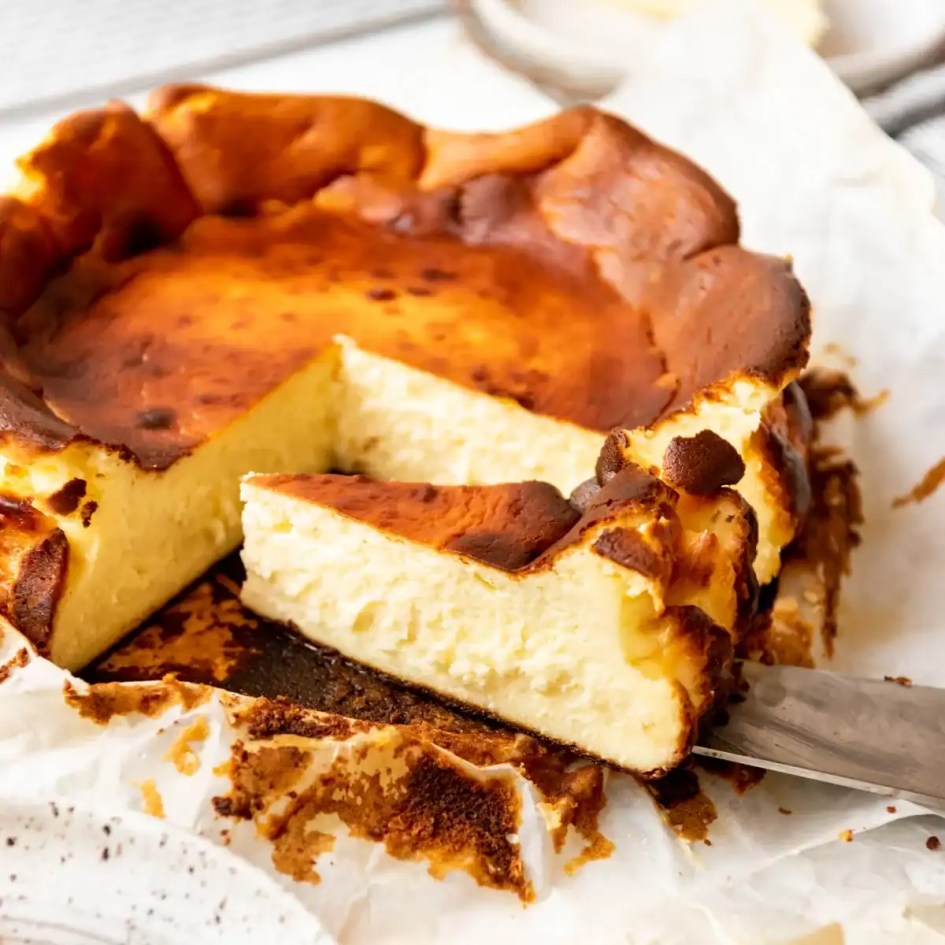
Basque Cheesecake is a creamy, crustless cake with a burnt top. It’s softer than New York-style cheesecake and has a caramel-like flavour. The dessert originated in San Sebastián and has gained worldwide popularity.
Other Spanish pastries include:
- Torrijas: Similar to French toast, often served during Easter
- Polvorones: Crumbly almond cookies popular at Christmas
- Flan: A silky smooth caramel custard
These desserts show the diversity of Spanish sweets. From simple cookies to complex cakes, there’s something for every taste.
Spanish Beverages: From Wine to Horchata
Spain offers a diverse range of drinks to suit every taste. From robust wines to refreshing non-alcoholic options, Spanish beverages reflect the country’s rich culinary traditions.
Red and White Wines
Spain boasts a wide variety of wines. Red wines, or tintos, are popular choices. Rioja and Ribera del Duero are famous wine regions known for their bold reds. These wines often use Tempranillo grapes.
White wines, or blancos, are also common. Albariño from Galicia is crisp and perfect with seafood. Cava, Spain’s sparkling wine, comes mainly from Catalonia.
When dining out, you’ll often see locals enjoying wine with their meals. It’s a key part of Spanish food culture.

Sangria and other Cocktails
Sangria is a beloved Spanish cocktail. It mixes red wine with fruit and sometimes brandy. You can find it in most bars and restaurants.
Tinto de verano is another popular drink. It’s simpler than sangria, mixing red wine with lemonade or soda. It’s very refreshing on hot summer days.
For a stronger option, try a Spanish gin and tonic. Spaniards often serve these in large glasses with lots of ice and garnishes.

Non-Alcoholic Specialities
Spain offers tasty non-alcoholic drinks too. Horchata is a sweet, milky drink made from tiger nuts. It’s especially popular in Valencia.
Zumo de naranja (orange juice) is a breakfast staple. You’ll often see special machines in cafes that squeeze fresh oranges.
For a warming drink, try Spanish hot chocolate. It’s thick and rich, perfect for dipping churros. In summer, you might enjoy a cold glass of gazpacho, a tomato-based vegetable soup.

Regional Variations in Spanish Dishes
Spain’s diverse regions offer unique culinary traditions shaped by local ingredients and cultural influences. From coastal seafood specialties to hearty mountain fare, each area has its own distinct flavours and cooking styles.
Catalonian Cuisine
Catalonia’s cuisine blends Mediterranean and mountain influences. The region is known for its hearty stews and sauces.
You’ll find romesco sauce, made from roasted red peppers and almonds, as a popular condiment. It’s often served with seafood or grilled vegetables.
Pa amb tomàquet is a simple yet delicious Catalan staple. It’s toasted bread rubbed with garlic and ripe tomatoes, then drizzled with olive oil.
Catalonia is also famous for its croquetas. These crispy, breaded bites are filled with béchamel sauce and various ingredients like ham, chicken, or seafood.

Andalucian Delicacies
Andalucia’s cuisine is influenced by its warm climate and Moorish history. The region is known for its cold soups and seafood dishes.
Gazpacho, a chilled tomato soup, is perfect for hot summer days. It’s made with tomatoes, peppers, cucumbers, and bread, all blended until smooth.
Rabo de toro, or oxtail stew, is a rich, hearty dish popular in Cordoba. The meat is slow-cooked with red wine and vegetables until tender.
You’ll also find plenty of fried fish along the coast. Try pescaíto frito, a mix of small fried fish often served as tapas.

Galician Gastronomy
Galicia’s cuisine focuses on fresh seafood and hearty stews. The region’s cool, rainy climate influences its cooking styles.
Pulpo a la gallega is a famous Galician dish. It’s octopus boiled and served with olive oil, paprika, and potatoes.
Caldo gallego is a warming soup made with potatoes, beans, greens, and pork. It’s perfect for chilly Galician days.
You’ll also find empanadas filled with local ingredients like tuna, seafood, or meat. These savoury pastries are enjoyed hot or cold.

Basque Culinary Traditions
Basque cuisine is known for its high-quality ingredients and innovative cooking techniques. The region has a strong food culture and many Michelin-starred restaurants.
Pintxos are the Basque version of tapas. These small snacks are often served on bread and held together with a toothpick.
Try bacalao al pil-pil, a traditional dish of salt cod in an emulsified garlic and olive oil sauce. It’s a perfect example of simple ingredients transformed into something special.
Marmitako is a hearty tuna and potato stew originally made by fishermen. It’s now enjoyed throughout the Basque Country.

Contemporary Spanish Cuisine and Fusion Foods
Spanish cooking has evolved beyond traditional dishes. Chefs are reimagining classic recipes and blending global flavours with Spanish ingredients. This mix of old and new has put Spain on the map as a top food destination.
Modern Interpretations of Classic Dishes
Spanish chefs are giving old favourites a fresh spin. You’ll find paella made with squid ink or lobster instead of chicken. Gazpacho might come as a foam or with unexpected fruits.
Tapas bars offer creative bites like croquetas filled with blue cheese or truffle. Even humble tortilla española gets dressed up with fancy add-ins like foie gras.
Chefs use new cooking methods too. They might smoke paprika or freeze-dry jamón to add new textures. The goal is to surprise your taste buds while keeping the essence of Spanish flavours.
Culinary Innovation and Michelin Stars
Spain boasts many Michelin-starred restaurants. These kitchens are labs for food innovation. Chefs like Ferran Adrià made ‘molecular gastronomy’ famous with his restaurant elBulli.
Today’s top chefs keep pushing boundaries. They use science to create new tastes and textures. You might find edible cocktails or dishes that change flavour as you eat them.
Some standout restaurants:
- DiverXO in Madrid (3 stars)
- Aponiente in Cádiz (3 stars)
- Azurmendi near Bilbao (3 stars)
These spots blend art, science, and Spanish ingredients in mind-blowing ways.
International Influences
Spanish cuisine now draws inspiration from around the world. You’ll find sushi bars serving rolls with manchego cheese. Or Mexican-inspired tacos filled with slow-cooked cochinillo.
Asian flavours are big. Think patatas bravas with kimchi or ceviche with soy sauce. Middle Eastern spices like za’atar show up in Spanish dishes too.
Even fast food gets a Spanish twist. Burgers might come on olive oil brioche buns. Pizza toppings could include jamón ibérico or piquillo peppers.
This fusion creates exciting new tastes. It keeps Spanish food fresh and relevant on the global stage.

Eating Out: Spanish Restaurants and Food Culture
Spanish dining culture is unique and vibrant. You’ll find a mix of traditional restaurants, casual eateries, and lively food markets. Spaniards eat later than many other cultures and place great importance on socialising over meals.
Traditional Restaurants and Alta Cocina
In traditional Spanish restaurants, you’ll experience a relaxed atmosphere and hearty portions. Lunch is often the main meal, served between 1:30 pm and 3:30 pm. Many restaurants offer a ‘menú del día’ – a set menu with several courses at a fixed price.
For dinner, Spaniards usually eat between 9 pm and midnight. You’ll find smaller portions and simpler dishes compared to lunch. Fresh seafood, roast meats, and local specialities are common.
Alta cocina, or high-end cuisine, showcases innovative Spanish cooking. These restaurants blend traditional flavours with modern techniques. Expect artistic presentations and tasting menus that highlight regional ingredients.
Casual Dining and Street Foods
Tapas bars are perfect for casual dining. You can order small plates to share, allowing you to try various dishes. It’s common to move between several tapas bars in one evening, a practice known as ‘tapeo’.
Street food isn’t as prevalent in Spain as in some countries. However, you’ll find food carts selling churros, roasted chestnuts, and bocadillos (sandwiches) in many cities.
Food trucks are becoming more popular, especially at festivals and events. They often serve modern twists on Spanish classics or international cuisine.

Food Markets and Festivals
Spanish food markets are a feast for the senses. You’ll find fresh produce, meats, cheeses, and prepared foods. Many markets have bars or restaurants where you can sample local specialities.
Some markets, like Madrid’s Mercado de San Miguel, focus on gourmet foods and tapas. These are great places to try a variety of dishes in one location.
Food festivals celebrate regional specialities across Spain. You might encounter a tomato-throwing festival, a wine harvest celebration, or a seafood fair. These events offer a chance to taste local dishes and experience Spanish food culture firsthand.